
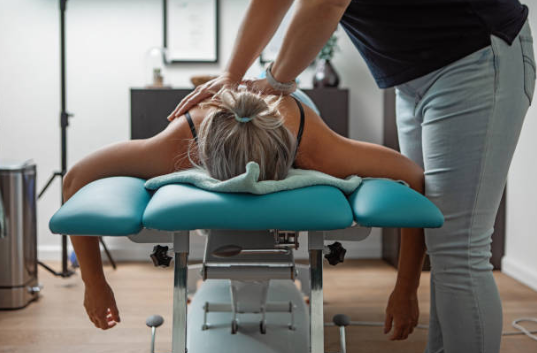
Is Physiotherapy Effective for Sports Injuries in Abingdon? Expert Guide
If you’ve ever pulled a muscle mid-game or felt that sharp, annoying pain after a run, you already know. Sports injuries don’t wait. They just happen. Any misstep and you find yourself lying down, Googling the symptoms, and hoping it isn’t one of those.
The question now is: Does physiotherapy on sports injuries work? Particularly when you are on this side of Abingdon and seeking something more than temporary relief.
Short answer? Yes.
Long answer: It depends on how it is done, who treats you and whether you really adheres to the plan or not.
What Makes Physiotherapy for Sports Injuries Effective?
Physiotherapy isn’t just about “doing a few exercises.” That’s the part people misunderstand.
A good sports injury physiotherapist looks at the full picture: how you move, where the strain is coming from, and why the injury happened in the first place. Not just the pain spot.
Here’s what actually happens in proper treatment:
- You don’t just get pain relief; you get movement back
- Muscles are retrained, not just stretched
- Weak areas are strengthened, so injury doesn’t come back
- Your daily habits (even how you sit or walk) get corrected
And honestly, that’s why it works better than quick fixes.
Why People in Abingdon Are Turning to Physiotherapy
There’s been a noticeable shift. More people are skipping random treatments and going straight to Physiotherapy Abingdon clinics or an experienced osteopath in Abingdon.
Why? Because they’re tired of repeat injuries.
You’ll see this especially with:
- Runners dealing with knee or ankle pain
- Gym-goers with shoulder strains
- Weekend athletes are pushing a bit too hard
- Even office workers (yes, they count too) with posture-related injuries
A physiotherapist for sports injuries in Abingdon isn’t just treating athletes anymore. It’s anyone who moves. Which is… everyone.
Where Osteopathy Fits Into Sports Injury Recovery
Now this part matters.
A lot of people think physiotherapy and osteopathy are the same. Not really.
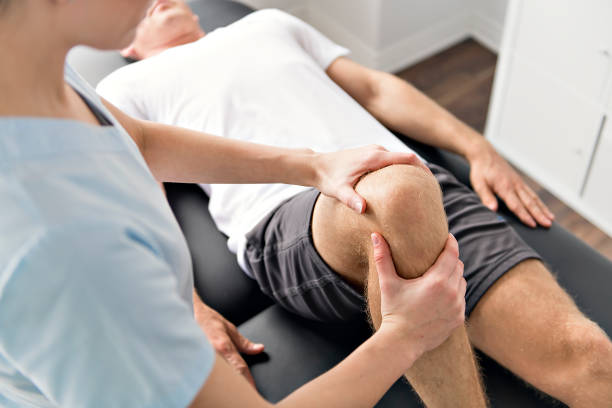
Osteopathy, like what’s offered at your osteopathy in Oxford clinic, focuses heavily on hands-on therapy. Joint mobilisation, soft tissue work, and stretching are about getting your body moving properly again.
And when combined with physiotherapy?
That’s where things get interesting.
You’re not just doing rehab exercises. You’re also:
- Releasing tight muscles manually
- Improving blood flow to injured areas
- Reducing stiffness faster
- Helping the body actually relax and recover
That mix of hands-on work + structured rehab is what speeds things up.
Real Recovery Is More Than Just “Fixing Pain”
Here’s something people don’t like to hear.
Pain going away doesn’t mean you’re healed.
That’s why a proper sports rehab physiotherapist focuses on long-term recovery, not just getting you back on your feet quickly.
At a good clinic, the approach usually includes:
- Building strength slowly (not rushing it)
- Improving flexibility without overdoing it
- Teaching you how to avoid the same injury again
- Supporting you even after the pain is gone
It’s a bit more effort. But it works.
Book a session with Kennington Osteopathic Practice and actually understand what’s going on with your body.
Sometimes one proper consultation saves months of trial and error.
What Types of Injuries Respond Well to Physiotherapy?
Not every injury needs surgery. In fact, most don’t.
Physiotherapy works really well for:
- Muscle strains and ligament sprains
- Tendon issues (like tennis elbow or Achilles pain)
- Lower back and neck pain from sports or posture
- Knee injuries from running or jumping
- Shoulder issues from lifting or repetitive movement
The key is timing. The earlier you start, the easier it is to recover.
Wait too long, and things get complicated.
The Role of Supporting Treatments
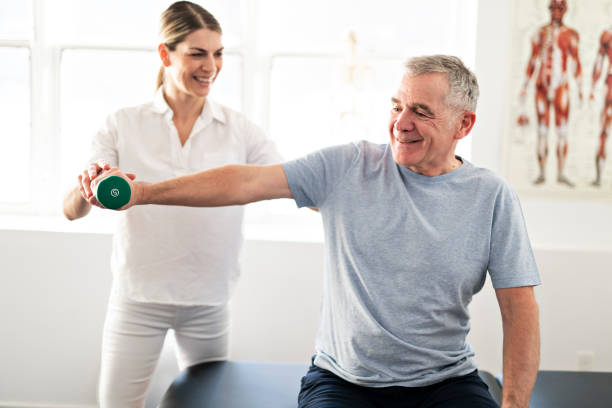
Recovery isn’t just about one method. The best results usually come from a mix.
At clinics like yours, you’ll often see:
Osteopathy: Hands-on treatment to reduce pain and improve joint movement
Deep Tissue Massage: Targets deeper muscle layers, improves blood flow, and helps release tension
Pilates Classes: Builds strength and flexibility in a controlled way; great for long-term injury prevention
Relaxation Therapies: Sounds simple, but stress plays a role in pain, too. Calming the body helps healing
That combination? It’s what makes recovery more complete, not just temporary.
Why Experience Matters in Recovery
This part gets overlooked.
Anyone can search for exercises online. But knowing what your body needs takes experience.
With over a decade of practice, clinics like yours don’t just treat symptoms. They guide people through the entire recovery journey.
You’re not just told what to do. You’re shown how to manage pain long-term.
And honestly, that’s the difference between:
- “I feel better for now."
- and
- “This isn’t coming back again."
Final Thoughts
So, does physiotherapy work in Abingdon on sports injuries? So… is physiotherapy effective for sports injuries in Abingdon?
Yeah, it is. But when done right.
It is not about brief sessions or a few stretches. It is about learning your body, correcting the source of the problem, and being consistent.
The majority stop in the middle. The ones who don’t? They recover properly.
Ready to Start Your Recovery?
If you’re tired of dealing with the same injury again and again, it’s probably time to do something about it.
Book an appointment at Kennington Osteopathic Practice and get on the road to recovery.
No guesswork. Fair treatment that works.
FAQs
How does physiotherapy help treat sports injuries?
Physiotherapy in sports injuries is effective as it aims at addressing pain relief and long-term recovery. It takes the use of certain exercises, hand work, and movement correction to heal injured tissues. Instead of hiding the pains, it strengthens weak areas and increases the motions, reducing the chances of the injury recurring.
What types of injuries in sports can be cured using physiotherapy?
Physiotherapy is able to cure a very broad array of sport-related injuries, such as muscle strains, ligament or tendon and joint pain, and overuse injuries. It is typically used in knee, shoulder, back, and ankle problems. The early treatment tends to result in quicker and more successful recovery.
What is the duration of physiotherapy in healing a sports injury?
The recovery time will be dependent on the type of injury, the size of the injury, and your approach to treatment. The minor injuries are resolved within a few weeks, and the severe ones take a few months. Sessions and following the advice of your physiotherapist are considerable in speeding up the process.
Do I need physiotherapy if the pain goes away on its own?
It is not essential, but is frequently recommended. Absence of pain does not imply that the problem that has caused the pain has been resolved. Rehab is necessary to ensure that the injury is not repeated, which may turn out to be even worse. A physiotherapist will be able to determine whether your body has recuperated or needs support.
Book appointment
Sophie specialises in providing pain relief and self management techniques through the use of hands on therapy and health care expertise.