
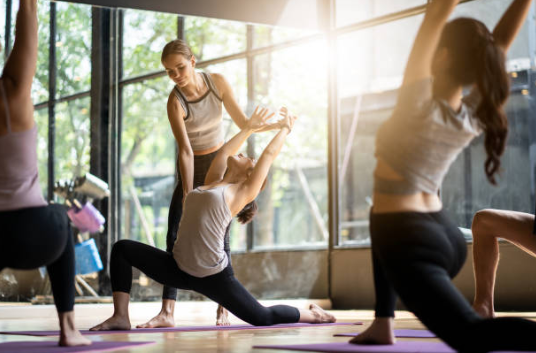
Is Pilates Training Better Than Traditional Gym Workouts?
This question comes up every week. Someone walks in, shoulders tight, and asks if they should ditch the gym for something gentler.
Gyms feel familiar. That satisfying clank when you drop the bar. Pilates looks almost too quiet by comparison. Just a mat, some controlled moves, and a lot of focus on breathing.
We’ve watched both sides play out. Plenty of people get stronger in the gym yet end up stiffer than before. Others try the slower work and suddenly their back stops complaining.
Pilates training sits in its own lane. Here at Kennington Osteopathic Practice we see the shift in how people move after a few weeks. No magic. Just different priorities. Your goals, your current aches, and how your body actually responds decide which one fits better right now.
Let’s sort through it properly.
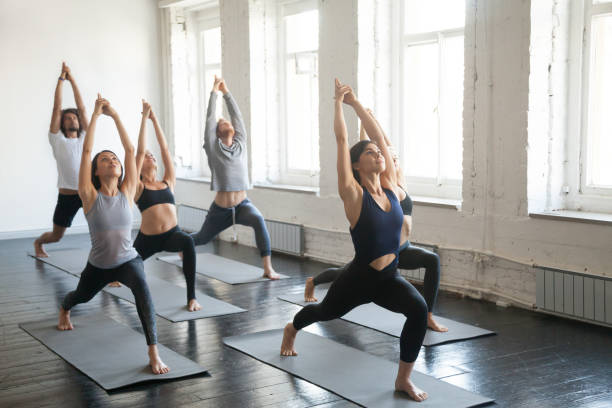
Strength: Heavy Loads or Steady Control
Gym work builds size and power quick. You add plates, push hard, and numbers climb. That progress feels solid.
Pilates does something else. You fight springs or your own body. Everything stays slow. Deep muscles stay switched on the whole time. A lot of people end up with strength they can actually use. Getting out of a chair, carrying shopping, and twisting without a twinge. Gym strength can leave gaps if form gets sloppy. Pilates fills those quieter weak spots.
Flexibility Gets Ignored Too Often
Most gym sessions treat stretching like an optional extra. Five rushed minutes at the end. Hips stay tight. Shoulders stay rounded. Pilates builds length while you work. You lengthen and strengthen in the same move. Spines start moving better. Hips open up.
We’ve watched desk workers regain rotation they thought was gone for good. That mobility protects joints over years, not just weeks.
Injury Risk Feels Different
Heavy lifting carries risk when ego takes over. One rushed rep can cost you months.
Pilates keeps most people safer, ranges stay controlled, no swinging, and alignment stays front and centre.
Clinical Pilates classes often help people coming back from back issues or surgery. The method grew out of rehab ideas.
Gym work isn’t automatically dangerous. Good coaching and sensible loading keep it fine. But Pilates gives many bodies an easier door in.
Matching the Method to the Person
- Chasing bigger muscles and heavy numbers? Stick with the gym.
- Want better posture and joint-friendly strength? Pilates usually helps more.
- Dealing with ongoing tightness or old injuries? Start here.
- Training for power sports? Blend both.
- Short on time and tired of joint pounding? Pilates fits cleaner.
Beginner Pilates classes keep things simple. You learn the basics without feeling overwhelmed.
Advanced Pilates classes ramp up once control improves. Resistance increases. Sequences get longer.
How Your Body Feels Afterwards
Gym days often leave you drained. Muscles sore. Energy flat.
Most people finish Pilates feeling organised, taller somehow, and breathing freer. That shift shows up in sleep and daily energy. Small, but it adds up.
Group Pilates classes keep a steady, supportive feel. You move together without the competitive push some gyms create. Private Pilates classes let the instructor focus on your exact patterns. Useful if desk posture or old injuries still linger.
Access Has Changed
Not everyone can get to a studio three times a week.
Online Pilates classes and Virtual Pilates classes brought the work into living rooms. Clear instruction still matters. Camera angle and feedback help a lot. Plenty of our clients mix studio time with home practice. Showing up regularly beats waiting for perfect conditions.
Different Levels of Attention
Professional Pilates classes usually run smaller. More eyes on form.
Some places run Clinical Pilates classes next to osteopathy or physio work. That crossover helps when pain is still part of the picture.
Pilates lessons build skill step by step. You don’t just sweat. You learn how your body organises itself.
Pilates fitness classes keep more flow. They suit people who want the benefits without pure rehab energy.
Pilates sessions give consistent practice without the noise of a busy weights floor.
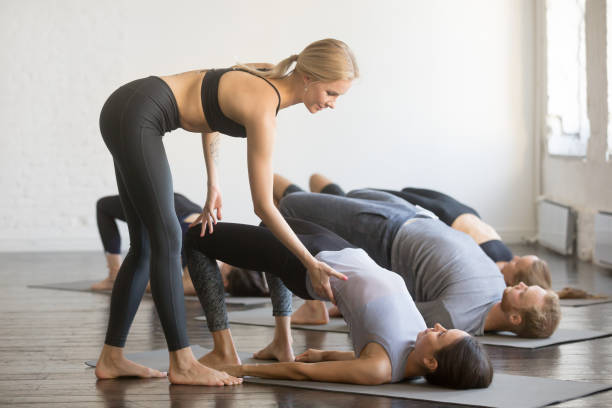
Straight Talk from What We See
We won’t pretend Pilates replaces every gym goal. If you want to deadlift serious weight, the barbell still wins. For joint health, core control and movement that lasts, Pilates often does the quieter job better for everyday people.
Plenty of patients arrive with pain or stiffness. They try regular gym classes, feel worse, then notice controlled work changes the pattern. A mix works for a lot of bodies. Lift when you want power. Use Pilates to keep everything balanced and less likely to break down.
Want to feel the difference yourself?
At Kennington Osteopathic Practice, we run Pilates alongside hands-on treatment. We look at how you move, where you compensate, and what your body needs next. Classes stay small. Whether you prefer mat or equipment, we keep it personal. Check the site for times that fit your week.
Conclusion
One isn’t automatically better. Gym workouts build impressive size and strength. Pilates builds control, mobility and resilience that holds up. Plenty of people do best with both. If you’re looking for Pilates classes near me and want guidance that respects real bodies, Kennington Osteopathic Practice can help you start without the guesswork.
FAQs
What makes Osteopathy Oxford different with Private Pilates classes?
At Kennington Osteopathic Practice, we pair hands-on osteopathy with focused Private Pilates classes. We sort the underlying restriction first, then build strength and control around it. Classes stay small so form gets corrected in the moment. Many people notice better posture and fewer flare-ups within a few weeks because the work matches how they actually move every day.
Is Pilates enough on its own or do I still need gym time?
For general health, posture and keeping joints happier long-term, regular Pilates covers a lot of ground. You build strength you can use and cleaner movement patterns. If your goals include serious muscle size or sport power, keep some traditional lifting in the mix. Two or three Pilates days plus one or two gym sessions work well for most without overloading everything.
How quickly do people notice changes?
A lot of people feel more stable and upright after just a few sessions. Breathing eases, and simple tasks feel less effortful. Clearer strength and flexibility shifts usually appear within four to six weeks of steady practice. How often you show up and whether you use the principles outside class makes the biggest difference. Small daily habits speed things up.
Can someone with existing aches start safely?
Yes. Beginner options focus on basic control and breathing. Instructors adjust moves for whatever is going on. If pain has been hanging around, a quick assessment first helps spot any restrictions. Most people with desk stiffness or mild joint complaints find the controlled pace settles symptoms rather than stirring them up.
Do I need equipment to see results?
Mat work delivers solid benefits with almost nothing. A decent mat and clothes you can move in are enough. Equipment sessions add resistance options once the basics feel familiar. Home practice using just body weight still improves core control and mobility. Showing up consistently matters more than having the fancy kit.
.jpg)
%20(1).png)
Book appointment
Sophie specialises in providing pain relief and self management techniques through the use of hands on therapy and health care expertise.